ELECTRICITY GUIDE
How Much Does It Cost to Heat a 1,500 Sq Ft House?
BillMellow Editorial · Published October 30, 2026
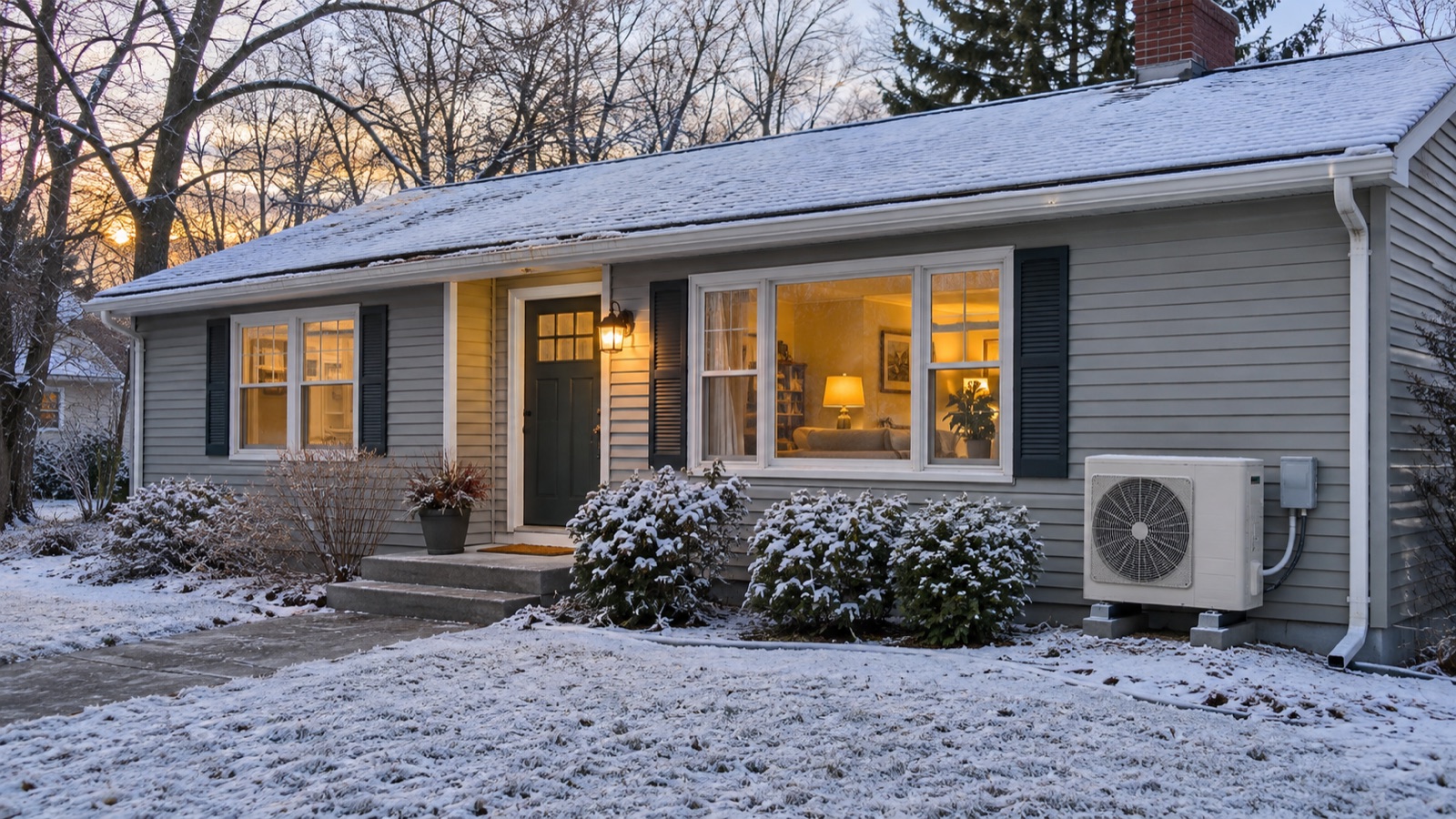
Learn how to estimate heating costs for a 1,500-square-foot home using your actual electricity, natural gas, propane, or heating oil use, local rates, weather, and home efficiency.
A 1,500-square-foot home does not have one standard heating bill. Square footage alone cannot tell you what it costs to heat a home: climate, insulation, air leakage, thermostat settings, heating equipment, fuel, and local rates all matter. The most useful estimate starts with the fuel your system actually uses and the price on your bill.
Quick answer: use measured winter heating energy or fuel consumption multiplied by its variable rate, then list recurring fees separately. The examples below show the arithmetic; they are not a predicted bill for every 1,500-square-foot house.
What changes the cost to heat a 1,500-square-foot house?
Two homes with the same floor area can use different amounts of energy. EIA identifies climate and location, the home's physical characteristics, equipment type and efficiency, how long equipment runs, and household size as factors in home energy use. Weather and local fuel prices also change from one winter to another.
- Heating fuel: electricity, natural gas, propane, heating oil, or another source.
- Equipment: a heat pump and electric resistance heater use electricity differently; furnace efficiency affects how much fuel becomes delivered heat.
- Building: insulation, air leaks, windows, ceilings, and attached or exposed walls change heat loss.
- Operation: outdoor temperatures, thermostat settings, schedules, and room-by-room heating all matter.
- Bill details: variable supply or fuel charges, delivery charges, tiers, time-of-use prices, and fixed fees affect the amount paid.
Calculate the cost from the fuel on your bill
Electric heat
If you can identify the electricity used by the heating system, multiply heating kWh by the variable charges that apply to those kWh. Include variable supply and delivery charges. Keep flat monthly fees separate because they are usually owed regardless of heating use.
Illustrative examples at 18 cents per kWh:
- 500 kWh × $0.18 = $90 in variable electricity cost.
- 1,000 kWh × $0.18 = $180 in variable electricity cost.
- 1,500 kWh × $0.18 = $270 in variable electricity cost.
These amounts are examples of the calculation only. They are not typical consumption estimates for a 1,500-square-foot home. Replace the kWh and rate with your own figures. For a heat pump, use measured electricity if available; its efficiency varies with equipment and outdoor conditions.
Natural gas
Use the therms shown on the gas bill and multiply by the variable per-therm charges that apply. Add recurring customer or delivery fees separately. Many gas systems also use electricity for fans or controls, so check the electric bill too.
Propane or heating oil
Use gallons actually consumed during the period and the price paid per gallon, plus delivery or other charges. A tank refill date does not necessarily match a monthly billing period, so compare tank readings or delivery records across a clearly defined interval.
How to get a better estimate from your bills
1. Write down each bill's start and end dates, fuel use, and total charges. Compare daily use as well as total monthly use when billing periods have different lengths.
2. Separate variable energy charges from flat monthly fees, taxes, credits, and other adjustments.
3. Use utility interval data or a dedicated meter if you need to isolate a heating system's electricity. A whole-home bill includes other uses such as water heating, cooking, lighting, and appliances.
4. Compare periods with similar weather when possible. A mild month and a very cold month are not a fair heating comparison; even a simple subtraction between winter and fall bills cannot prove exactly how much energy went to heating.
5. For a fuel or equipment comparison, compare the same home, comfort level, weather period, and all relevant fuel bills. Do not treat a national average for one fuel as a guaranteed cost for your home.
Compare your last two electric bills with BillMellow at compare your electric bills with BillMellow to separate a higher total into usage, variable costs, fixed charges, taxes, and credits. It does not identify the heating system's exact energy use unless you have that measurement. For a room heater rather than whole-home heating, see the space heater cost guide at read the space heater electricity cost guide.
What the 2026–27 winter forecast says—and what it cannot tell you
In its October 6, 2026 Winter Fuels Outlook (U.S. Energy Information Administration), the U.S. Energy Information Administration (EIA) forecasts that households using electricity as their primary heating fuel will spend about 4% more on electricity this winter than last winter, on average. EIA attributes the forecast increase to residential electricity prices rising about 3% and slightly higher electricity use. Its largest regional forecast increase is in the West, where electricity spending is projected to rise 9%, in part because of colder weather.
These are forecasts for groups of households during the November–March winter period—not actual results, a quote for a 1,500-square-foot home, or a measurement of heating alone. A household's electricity spending also covers other uses such as appliances, lighting, and water heating. EIA cautions that differences among the homes in its data make broad averages unsuitable for predicting an individual home's costs or deciding that switching fuels will save money.
For your own estimate, use the kWh and dates on your bill, compare daily usage when billing periods differ, and use your utility's current variable charges. The EIA outlook is updated monthly during winter; this summary reflects the October 6, 2026 release. Check the linked source for a newer forecast.
Why there is no dependable price from square footage alone
Two 1,500-square-foot homes can have very different heating loads because of climate, insulation, air leakage, equipment, thermostat settings, and fuel prices. EIA's winter estimates are useful national context, not a quote for a particular home. The agency notes that housing and equipment differences also complicate comparisons across fuels.
Ask your utility for usage detail if the bill does not show enough. For a building-specific heating load or equipment-sizing estimate, a qualified home-energy professional can assess the home and system. Do not use a square-foot rule as a substitute for measured fuel use or an inspection.
Sources and limits
- U.S. EIA, Winter Fuels Outlook 2026–27: U.S. Energy Information Administration
- U.S. EIA, Use of energy in homes: U.S. Energy Information Administration
- U.S. EIA, Residential Energy Consumption Survey: U.S. Energy Information Administration
Rates, fuel consumption, and costs vary by utility, location, equipment, weather, and billing period. Check your current bill and provider for applicable charges. This guide provides arithmetic and context, not a guaranteed household estimate.
All electricity guides · Compare plan costs · Methods and limits · Editorial standards