ENERGY ASSISTANCE · BILLMELLOW GUIDE
Weatherization Assistance Program: Who Can Apply and How
BillMellow Editorial · Updated November 6, 2026
Learn how to contact the U.S. Weatherization Assistance Program, prepare documents, understand local eligibility and ask what work may be offered.
Find your local provider
There is no household bill-savings formula that guarantees eligibility or program results. Verify your local program first, then compare documented pre/post energy use and weather; keep repairs, rate changes and behavior separate.
DOE reports participating weatherized homes save an average of $372 or more annually in energy costs across the program. This is a program-wide average, not a promise for an applicant or an estimate for a specific home. Your local assessment, approved work, climate, energy prices and household use determine individual outcomes.
What the federal program does
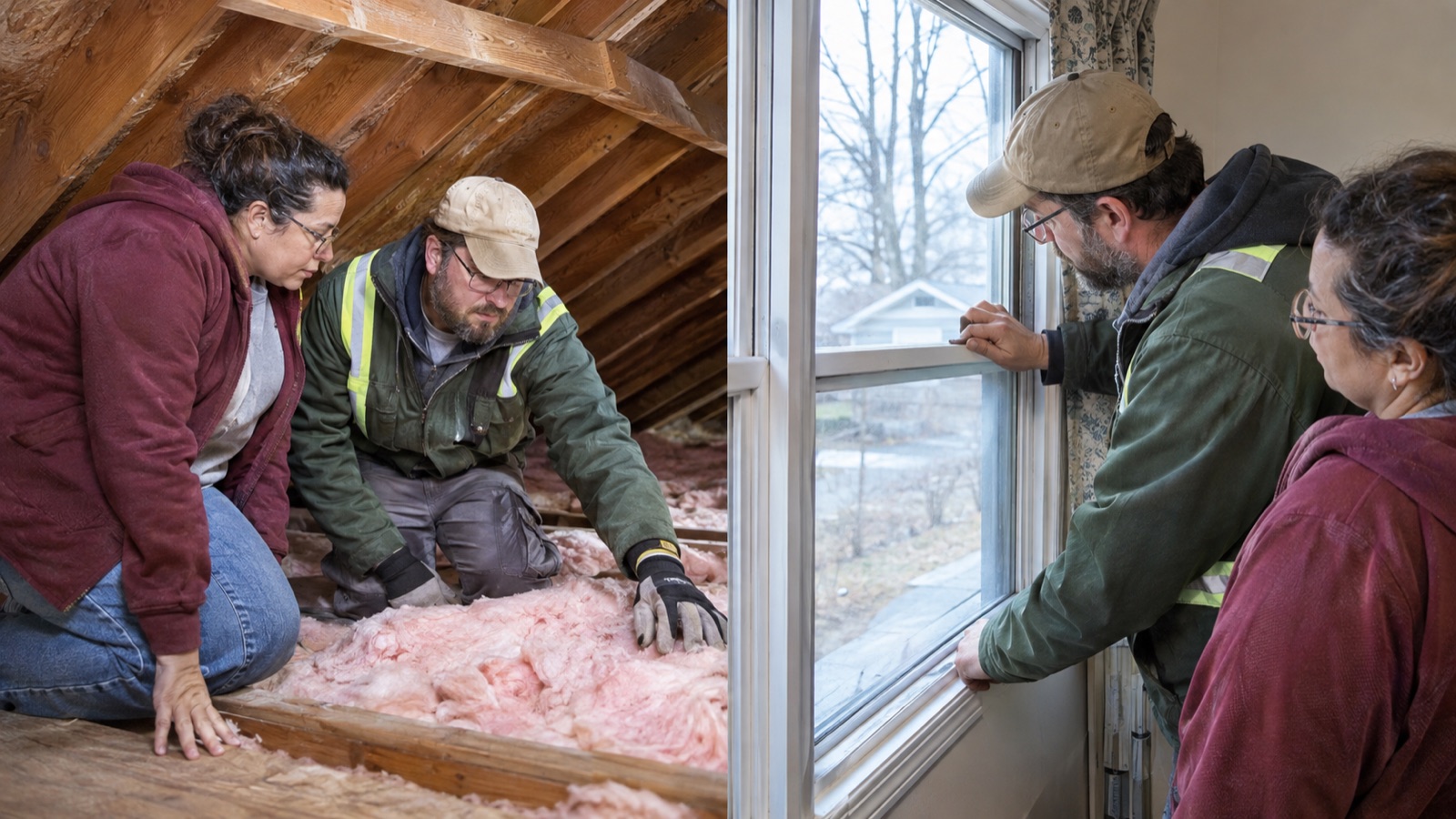
The Weatherization Assistance Program, or WAP, funds local providers to improve energy efficiency and household energy affordability for eligible residents. Typical work may involve an assessment of insulation, air leakage, heating and cooling equipment, health and safety conditions, and selected repairs. The local provider determines what measures are appropriate and available.
WAP is not a universal cash payment or a guarantee that every requested repair will be completed. Program rules, funding, priority categories, waiting times and service scope vary by state and local provider. DOE directs applicants to their state or local WAP office for current eligibility and application details.
Check eligibility with the official local provider
Income is a common eligibility factor, and DOE states that states can use income limits tied to federal poverty guidelines or categorical eligibility based on certain public assistance. Exact rules and documentation depend on your state. Ask the provider which household members, income types and time period they count before preparing a full application.
Some programs prioritize older adults, people with disabilities, families with children or households with high energy burden, but priorities are local. Do not assume a national webpage confirms that a specific household qualifies. Ask about waitlists, emergency referrals, service area, landlord approval and whether utility account status affects scheduling.
Renters and homeowners should ask different questions
Renters should ask the provider whether a landlord must sign a consent form, whether the owner must contribute, and what improvements can be made in a rental unit. Do not authorize structural work or equipment replacement without required permission. Homeowners can ask about ownership documentation, access to attics or mechanical rooms and any repair prerequisites.
A landlord’s approval requirement does not necessarily mean a tenant cannot apply. DOE notes renters may be served when required permissions are obtained. If the owner declines, ask the local provider about other resources rather than assuming the application is closed.
A practical checklist
- Find your state or local WAP provider through DOE’s official application page.
- Ask current income rules, service area, priority, waitlist and likely documents.
- Tell the provider if there is a disconnection risk or urgent safety concern.
- Renters should confirm landlord consent and who must sign before work.
- Keep written assessment and work records for a later bill comparison.
Frequently asked questions
Can renters apply for weatherization?
DOE says renters may be eligible, but landlord permission is generally needed before work on the property. Ask the local provider about the exact consent and service rules.
Does WAP pay my electric bill?
WAP primarily supports approved energy-efficiency work. LIHEAP or other state/local programs may help with heating or cooling bills or emergencies. Contact the relevant official provider to confirm which program addresses your need.
How long does approval take?
Timing varies by provider, funding, application completeness, assessment scheduling and local waitlists. Ask for current estimates and whether urgent circumstances qualify for another referral.
Sources and limits
Linked sources provide the basis for this guide. Check them directly for current information, and contact the appropriate utility, agency, or manufacturer about your situation.
For more bill context, read how to read your electric bill or track monthly usage.