CONSUMER PROTECTION · BILLMELLOW GUIDE
Utility Bill Scams: Warning Signs and Safe Ways to Verify
BillMellow Editorial · Updated November 6, 2026
Learn common electric utility scam tactics, how to verify a shutoff notice and what to do after sharing payment or account details.
Start by verifying the notice
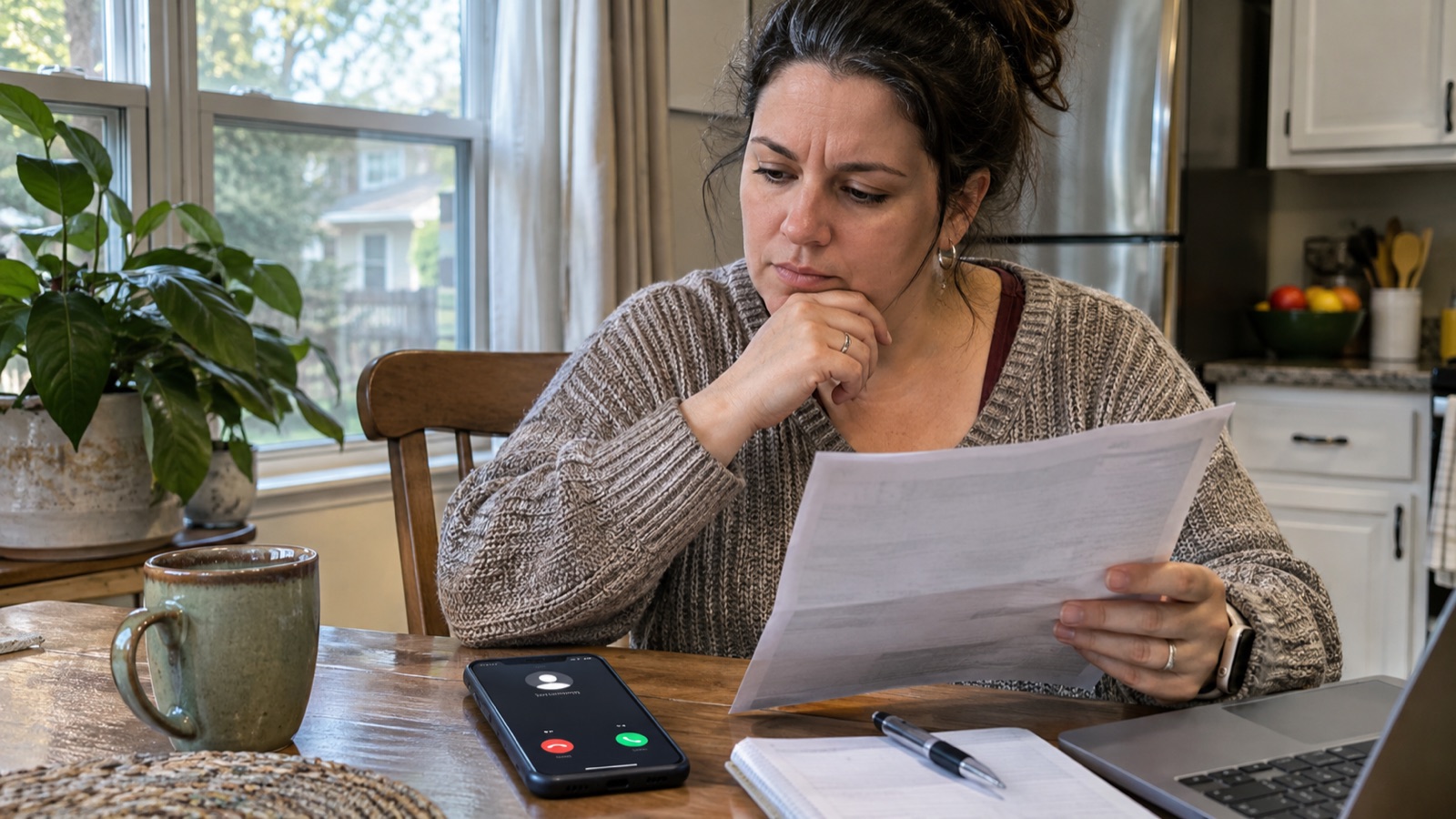
A real balance is verified inside the utility’s official account or by calling the number printed on a known bill. Do not use an incoming caller’s callback number or a payment link in an unexpected threat.
If a caller claims you owe $280 and threatens shutoff today, stop and verify independently. Call your utility using the number on a prior bill or official website, then ask whether the balance, notice and payment options are real. The claim amount is not proof of legitimacy, even if it resembles your account balance.
Recognize the pressure tactic
The FTC warns that scammers may pretend to be an electric, gas or water utility and threaten to disconnect service unless you pay immediately. Urgency is intended to prevent verification. Unexpected calls, texts, emails or doorstep visits deserve extra caution, especially when the message says payment must happen within minutes.
A caller may know your name, address, provider or a partial account detail. That does not prove they are an employee; public information and data exposure can make a message sound credible. Do not confirm account numbers, one-time codes, passwords or payment card details to an unsolicited contact.
How to verify a real bill or disconnection notice
Use the customer-service number printed on a previous bill or independently find the utility’s official website. Ask whether there is a past-due balance, scheduled shutoff, open payment arrangement and current alert. Log the date and representative name. If the utility confirms there is no issue, report the contact and block the sender.
If a paper notice appears at the door, do not let an unknown person pressure entry or payment. Ask for company identification, then call the utility independently before allowing access. Real meter or equipment work may occur, but verify the work order and appointment through the company’s official number.
What to do if you already paid
Contact your bank, card issuer or payment app immediately and ask whether the transaction can be stopped or disputed. Gift-card and crypto payments may be difficult to recover, but report quickly. Save receipts, message screenshots, phone numbers, wallet addresses and transaction IDs for investigators.
If you shared a utility login or account number, change the password from the official site, enable multifactor authentication where available and notify the utility. If you shared banking or identity details, contact the financial institution and review accounts for unauthorized activity. Report fraud to the FTC at ReportFraud.ftc.gov and your state attorney general.
A practical checklist
- Pause when an unexpected contact threatens immediate shutoff or demands secrecy.
- Hang up and call the number from a known bill or official utility site.
- Never pay by gift card, crypto or wire transfer to stop an alleged same-day cutoff.
- Contact your bank or payment provider quickly if you sent money.
- Report the scam to the utility, FTC and state attorney general.
Frequently asked questions
Can a utility disconnect me the same day?
Disconnection policies vary by state and provider, but the FTC says real utilities do not demand immediate payment through an unexpected call to avoid same-day disconnection. Verify any notice independently with the utility and state regulator.
What if the caller knows my account information?
That does not authenticate the caller. Hang up and call the utility using a known number. Do not provide codes, passwords or payment details to an incoming contact.
Where do I report a utility scam?
Report it to the genuine utility, the FTC at ReportFraud.ftc.gov and your state attorney general. If you paid, contact your bank or payment provider promptly as well.
Verify the request through a separate channel
If a caller or message says service will be disconnected unless you pay immediately, pause. Do not use the callback number or payment link in the unexpected message. Find the utility’s contact information from a bill you already trust or its official website, sign in independently, and ask whether the notice is on your account. A real balance can exist even when the message is fraudulent, so verify the account rather than ignoring every notice.
Be wary of gift cards, cryptocurrency, payment apps to an individual, secrecy demands, threats to send a technician immediately, or requests for a one-time code. Do not share passwords, account PINs, or verification codes with an incoming caller. If you already sent money or shared login details, contact your bank or payment service and utility using a verified number, change the affected password, and ask what account protections are available.
Keep evidence without exposing account data
Save the message, caller ID, date, and payment receipt. Report suspected impersonation to the real utility and the relevant consumer-protection agency. If you post a screenshot to ask for help, cover the service address, account number, barcode, meter number, and any payment details. A screenshot of a message can help explain a concern, but it does not prove that a utility account has been accessed.
Sources and limits
Linked sources provide the basis for this guide. Check them directly for current information, and contact the appropriate utility, agency, or manufacturer about your situation.
For more bill context, read how to read your electric bill or track monthly usage.