ENERGY ASSISTANCE · BILLMELLOW GUIDE
Can LIHEAP Help Pay an Electric Bill? Eligibility & Next Steps
BillMellow Editorial · Updated November 6, 2026
Learn what LIHEAP may cover, how state eligibility differs and what to do if a utility bill is overdue or service is at risk.
Start with the local program
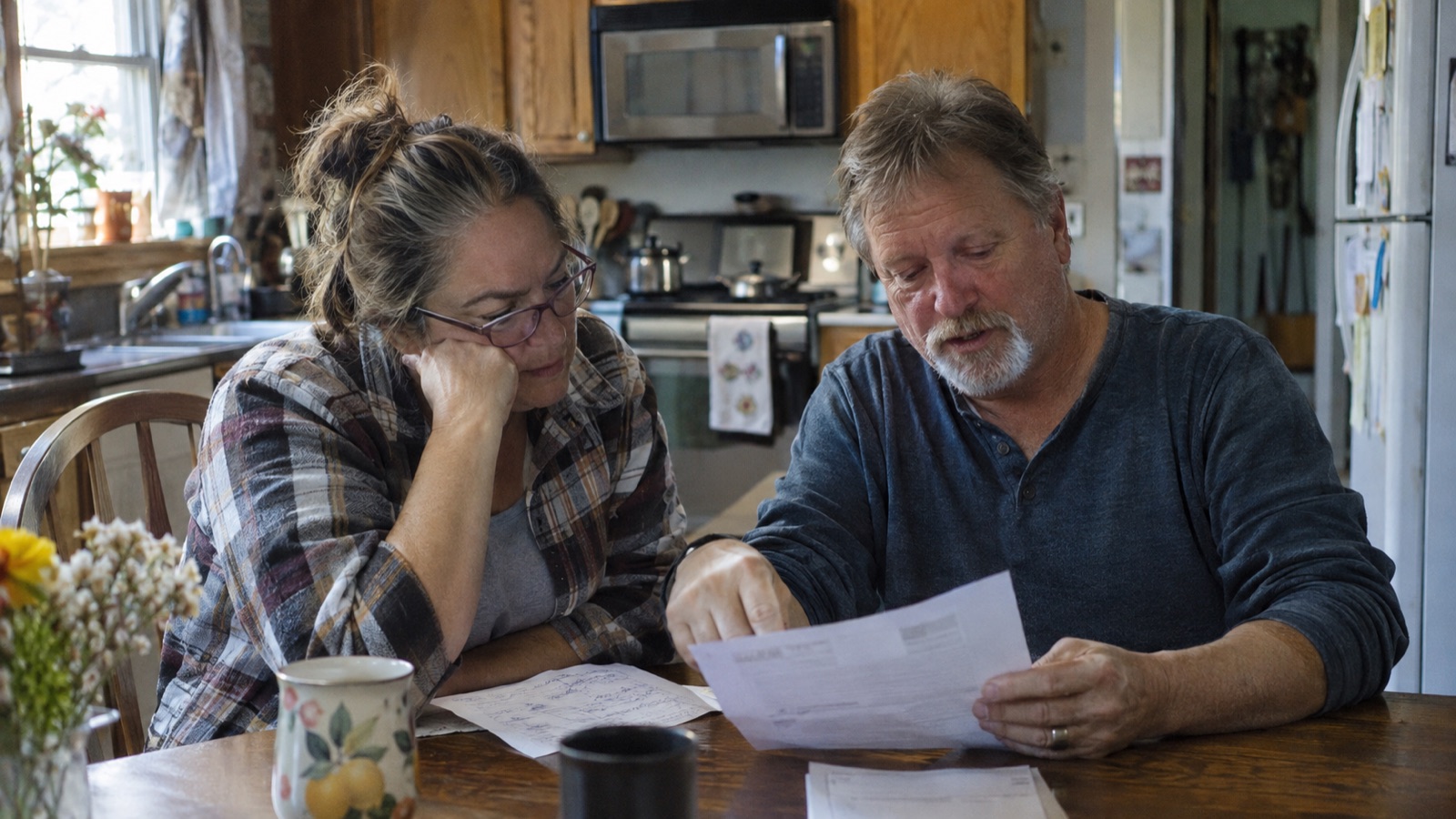
Assistance is set by the state/local program, not a BillMellow calculator. Ask the official agency what portion of the bill may be covered, whether a crisis grant applies, and how it coordinates with your utility account.
If a household owes $420 and a verified local program offers an approved $250 credit, the remaining balance would be $170 before any new charges or fees. This is only arithmetic; it does not describe a typical LIHEAP award. State rules, funding and the individual decision determine any actual benefit.
What LIHEAP may help with
The Low Income Home Energy Assistance Program can help eligible households with heating or cooling bills and may provide emergency assistance during an energy crisis. USAGov notes that in some locations support may include electric bills. Program benefits, covered fuels, payment method and application timing vary by state and territory.
LIHEAP is not a nationwide fixed dollar credit. An application may result in a utility payment, crisis intervention, referral or no award, depending on local rules and available funds. Verify current information with your state or territory LIHEAP office rather than relying on an old article, social post or third-party lead form.
How to find the correct office
Use USAGov’s official energy-bill assistance page to find the current state or territory office. Confirm that the agency serves your county and fuel type. Ask whether applications are online, by mail, phone or in person; what documents are required; and whether there is a separate emergency or shutoff-prevention process.
Beware of application helpers that charge a fee or promise guaranteed approval. A real program’s official agency should explain eligibility and application options. Do not share bank credentials or pay gift cards, crypto or wire transfers to “release” a grant. Call the agency using a number from an official government site or your utility statement.
If a shutoff notice or emergency is involved
Call the utility using the number on your bill and explain the situation. Ask about payment arrangements, the exact disconnection date, medical or weather protections, budget billing, hardship funds and how a pending LIHEAP application affects the account. State protections differ, and a program application may not automatically stop a scheduled shutoff.
USAGov warns that rules for when service can be disconnected vary by state, weather, age, disability and utility provider. Ask your state regulator or consumer protection office about current protections. If a household member relies on electricity for medical equipment, tell the utility and local agency promptly and ask for the required documentation and emergency contacts.
A practical checklist
- Find the state/territory office from USAGov and verify local eligibility and dates.
- Ask whether help covers electricity, arrears, cooling, emergencies or only certain fuels.
- Keep a current bill, account number, income records and shutoff notice ready.
- Call the utility separately about payment arrangements and disconnection protections.
- Never pay gift cards, crypto or wire fees for guaranteed assistance.
Frequently asked questions
Does LIHEAP pay every electric bill?
No. Eligibility, covered costs, benefit amounts and application windows are set locally and funding can be limited. USAGov says LIHEAP may help with heating or cooling and, depending on location, electric bills.
Will applying stop a shutoff?
Do not assume so. Contact the utility immediately and ask the agency whether a pending application changes the account status. Disconnection protections vary by state and provider.
Is there a fee to apply for LIHEAP?
Verify directly with the official state or local agency. Be cautious of anyone charging money to guarantee approval or demanding an unusual payment method to release assistance.
Start with the local program, not a fee-based promise
LIHEAP is administered through state, territory, tribal, and local agencies, so application windows, income rules, document lists, and benefit timing can differ. Start from an official government or community action agency page and confirm that the local office serves your address. Ask whether the application is open, whether help is available for a shutoff notice, and how to submit documents safely.
Prepare the items the local program requests, which may include recent utility bills, proof of household income, identification, household size, and a notice from the utility. Do not send sensitive documents to a person who contacted you unexpectedly. If you are unsure whether a request is genuine, call the agency using a number listed on its official site.
Keep utility service questions moving in parallel
If a shutoff date is listed, call the utility using a verified contact route and ask about a hold, payment arrangement, hardship program, or required agency referral. An application does not necessarily pause collection or guarantee approval, so ask what confirmation the utility needs and when. Keep application dates, case numbers, names of offices, and written responses.
Eligibility is not determined by this guide. A local agency makes the decision under current program rules. If the first office cannot help, ask which agency handles your county or tribal service area and whether there are separate emergency energy programs.
Sources and limits
Linked sources provide the basis for this guide. Check them directly for current information, and contact the appropriate utility, agency, or manufacturer about your situation.
For more bill context, read how to read your electric bill or track monthly usage.