HOME ENERGY AUDIT · BILLMELLOW GUIDE
Home Energy Audit Checklist: What to Check Before Upgrades
BillMellow Editorial · Updated November 6, 2026
Use a room-by-room home energy audit checklist to find bill patterns, drafts, insulation gaps and equipment issues before spending on upgrades.
The calculation
Baseline comparison: daily kWh = billing-period kWh ÷ billing days. For an upgrade, estimated annual savings = measured baseline energy × the applicable reduction assumption × your local variable price. Avoid applying a generic percentage to the whole bill.
Illustration: a home used 900 kWh in a 30-day period, or 30 kWh/day. A comparable 31-day period used 1,023 kWh, also 33 kWh/day. The daily rate of use rose 10%, but weather, occupancy and equipment still need checking; this calculation shows a change, not its cause.
Prepare records before walking the house
Collect 12 months of electric and gas statements if available, including kWh, therms, billing dates, rate notices, fees and credits. Mark move-in periods, vacations, guests and major equipment changes. Daily use—kWh divided by billed days—makes periods of different lengths easier to compare, while weather and rate changes remain separate factors.
Write down heating and cooling equipment type, age and maintenance history, water heater, major appliances, thermostat schedule and any recent repairs. If your utility offers interval usage data, download it and note the time zone and interval size. Whole-home data reveals patterns but normally does not identify which appliance caused a particular change.
Inspect the building envelope safely
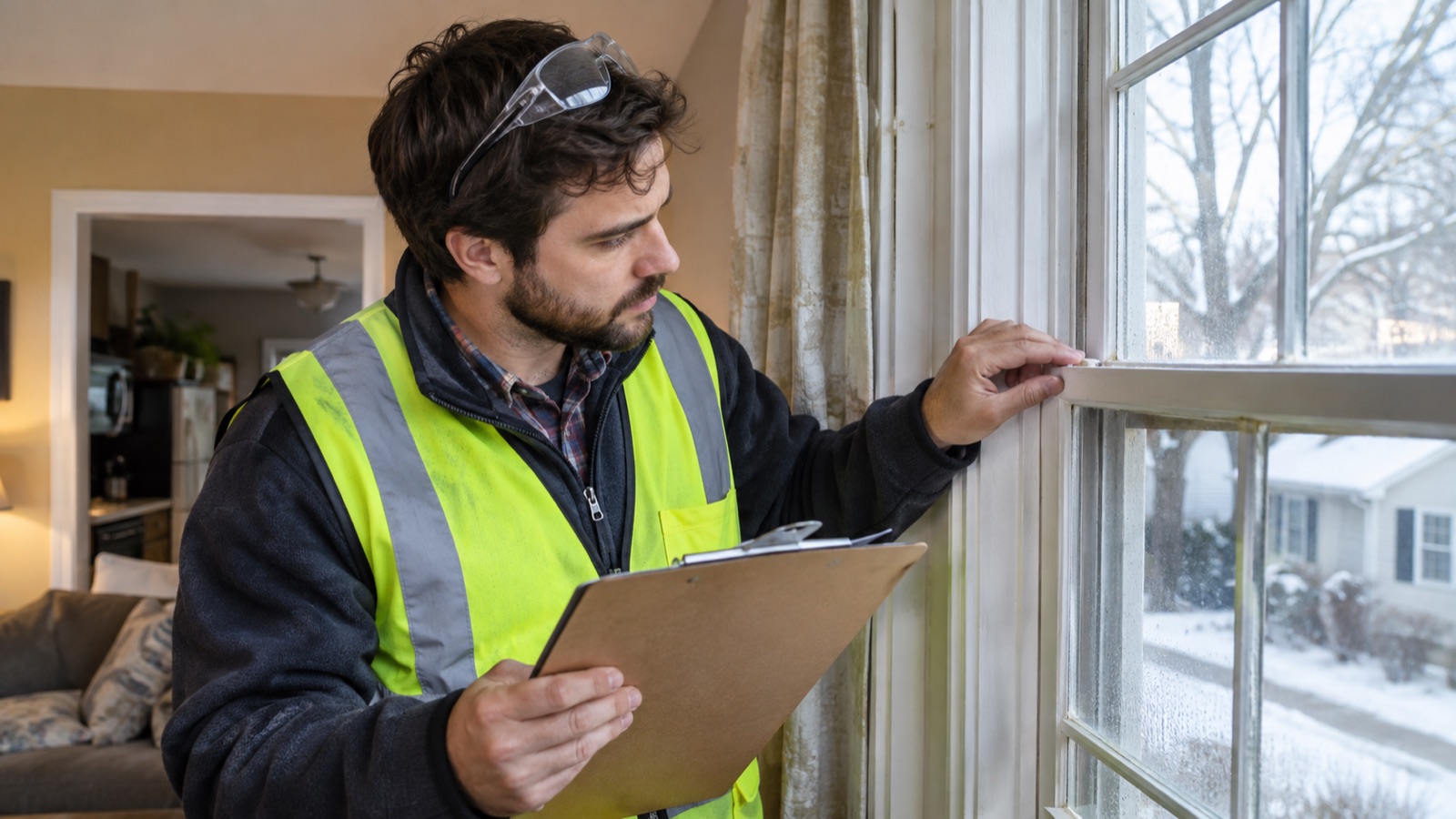
Walk through the home on a windy or hot day and note drafts, direct sun, gaps around doors and windows, attic access, and rooms that feel consistently different. Look for obvious weatherstripping damage and shading opportunities. Do not climb onto a roof, enter unsafe attic spaces or disturb suspected asbestos, mold or pests; use qualified help for hazards.
An energy auditor may use diagnostic tools and examine insulation, air leakage, ventilation and combustion safety. A checklist is a screening step, not a professional audit or guarantee. Any air-sealing work must preserve required ventilation and safety clearances, especially around fuel-burning equipment, fireplaces and exhaust appliances.
Prioritize actions by evidence and cost
Rank issues by safety, comfort, bill impact, project cost and reversibility. Fix water leaks, unsafe wiring and blocked vents before optional upgrades. Test low-cost steps such as thermostat scheduling or shading one at a time and compare daily kWh under similar weather. Keep a written before-and-after record rather than relying on memory.
For larger work, get a written scope and at least one comparable quote. Ask whether the contractor will inspect the whole building, test combustion safety, verify equipment sizing and document commissioning. A proposal that promises a fixed percentage without explaining assumptions is not enough to estimate savings.
A practical checklist
- Gather a year of bills and compare kWh per day, weather, rates and occupancy.
- Inspect drafts, shade, filters, vents and appliance condition without entering unsafe areas.
- Separate safety or moisture issues from optional energy upgrades.
- Request written scopes and verify equipment sizing, safety checks and commissioning.
- Contact official state/local WAP and LIHEAP offices to confirm current eligibility.
Frequently asked questions
Can I do a home energy audit myself?
You can perform a useful screening with bill history, room observations, appliance labels and thermostat notes. Professional audits add specialized measurements and safety checks; avoid hazardous areas and work beyond your training.
Will an energy audit tell me exactly how much I will save?
It can identify opportunities and estimate impacts using assumptions, but actual savings depend on weather, behavior, installation, rates and equipment. Ask for the baseline, method, uncertainty and what is included in each estimate.
Does weatherization assistance pay for any home upgrade?
The DOE Weatherization Assistance Program has eligibility and approved-scope requirements administered by state and local providers. Contact the official local office; do not assume every project or household qualifies.
Sources and limits
Linked sources provide the basis for this guide. Check them directly for current information, and contact the appropriate utility, agency, or manufacturer about your situation.
For more bill context, read how to read your electric bill or track monthly usage.