COMMUNITY SOLAR GUIDE
Community Solar Bill Credits: How Subscriptions Work
BillMellow Editorial · Updated November 6, 2026
Community solar lets eligible customers receive value associated with a shared solar project without putting panels on their own roof. In many programs, the customer subscribes to a portion of a project and receives a credit on a utility bill. The customer may also pay a subscription charge to a project provider. Whether the arrangement saves money—and how it appears on the bill—depends on local program rules and the contract.
Two separate money flows
The utility may apply a community-solar credit to an electric account. Separately, the subscription provider may invoice the customer or deduct a subscription fee. The utility credit is not necessarily the same amount as the subscription charge. To estimate net savings, compare the credit actually applied with the amount paid to the provider, plus any enrollment or cancellation fees and taxes that apply.
Read the agreement for the credit formula, timing, payment method, subscription size, minimum term, cancellation notice, transfer rules, and consequences if the project is delayed. A marketing offer that says “save on your bill” is not a guarantee that every customer will save in every month. Credits may depend on project production, allocation rules, utility processing, and your account’s eligible charges.
How credits may appear
A utility statement may list the solar credit as a separate line, a bill adjustment, a community renewable-energy credit, or a similar term. The statement may apply the credit to specific charges only. A customer charge, taxes, or minimum bill may remain. The subscription provider could send a separate invoice or charge a payment method. Keep both records and confirm they cover the same time period.
Ask how a credit is calculated and which utility charges it can offset. Ask whether unused credits carry forward, expire, or are settled at a specified time. Rules vary by state and utility and may change as a program evolves. Verify the information on the utility’s official website and in the contract before joining.
Compare the offer with your actual bill
Use your recent statements to estimate the amount of electricity you buy and the charges you pay. If the program offers a percentage discount on a credit, check the math: compare the actual credit amount with the subscription bill. Include fixed fees and consider whether the utility credit arrives before the provider’s due date. Cash-flow timing can matter even if the annual numbers look favorable.
A community-solar subscription does not normally mean you can stop paying your electric utility. Your home remains connected to the local grid, and the utility continues to bill for the account under its rate schedule. The solar credit is a separate billing component, not a replacement for all grid service.
Eligibility and account details
Programs may reserve subscriptions for customers in a particular utility area, income group, housing type, or service class. Check whether the account must be in your name and whether renters can enroll. If you move within the same service area, the subscription may or may not transfer. If you move outside the area, ask about cancellation rights and fees. Do not assume a subscription follows you automatically.
Be cautious with providers that pressure you to share utility passwords or full account credentials. Ask whether you can enroll through the utility or share only the information required by a documented consent process. Never send a password or one-time login code by email or text to someone who contacts you unexpectedly.
A practical pre-enrollment checklist
- What is the precise subscription fee and how is it collected?
- How are credits calculated and when should they appear?
- Can credits offset all charges or only a portion?
- Is there a minimum term, cancellation charge, or notice period?
- What happens to unused credits when you cancel or move?
- Is the savings claim based on your actual utility and recent usage?
- What happens if the solar project produces less than forecast?
Save the offer, contract, utility program terms, and each bill showing credits. Contact both the utility and subscription provider if amounts do not match; each controls a different part of the transaction.
Separate community solar from rooftop solar
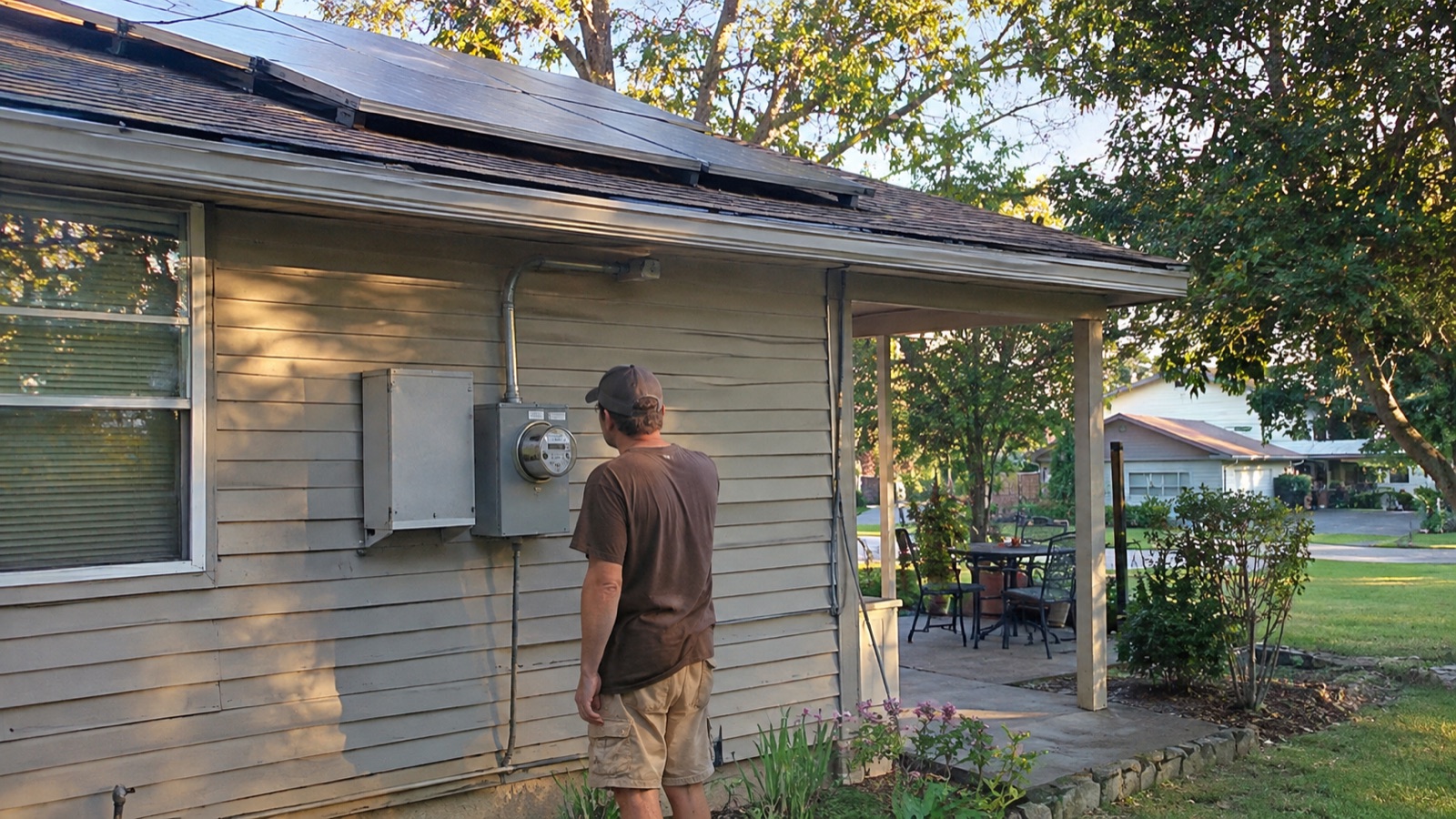
With rooftop solar, panels are installed at or near the home and their production can serve onsite loads. A community-solar subscriber receives a bill credit tied to a shared project, while the home continues to buy electricity through its existing service. These options have different equipment, contracts, and billing relationships. A community-solar subscription does not automatically include home batteries or backup power.
BillMellow’s bill comparison tools can help organize statements, but they cannot verify a subscription provider, program enrollment, or promised savings. Compare actual credit amounts with the separate subscription charges. For rooftop arrangements, read our net-metering explainer.
Sources and limits
The Department of Energy discusses community solar basics and program models. Confirm current availability and contract terms through your state, utility, and subscription provider; programs are local and can change.
This guide is for general education. Your utility’s rates, state rules, lease, or service agreement may differ. Verify account-specific details with the responsible provider.
Compare two electric bills · All electricity guides · Methods and limits · Privacy