COOLING COST ESTIMATE
How Much Does Central AC Cost to Run?
BillMellow Editorial · Updated November 6, 2026
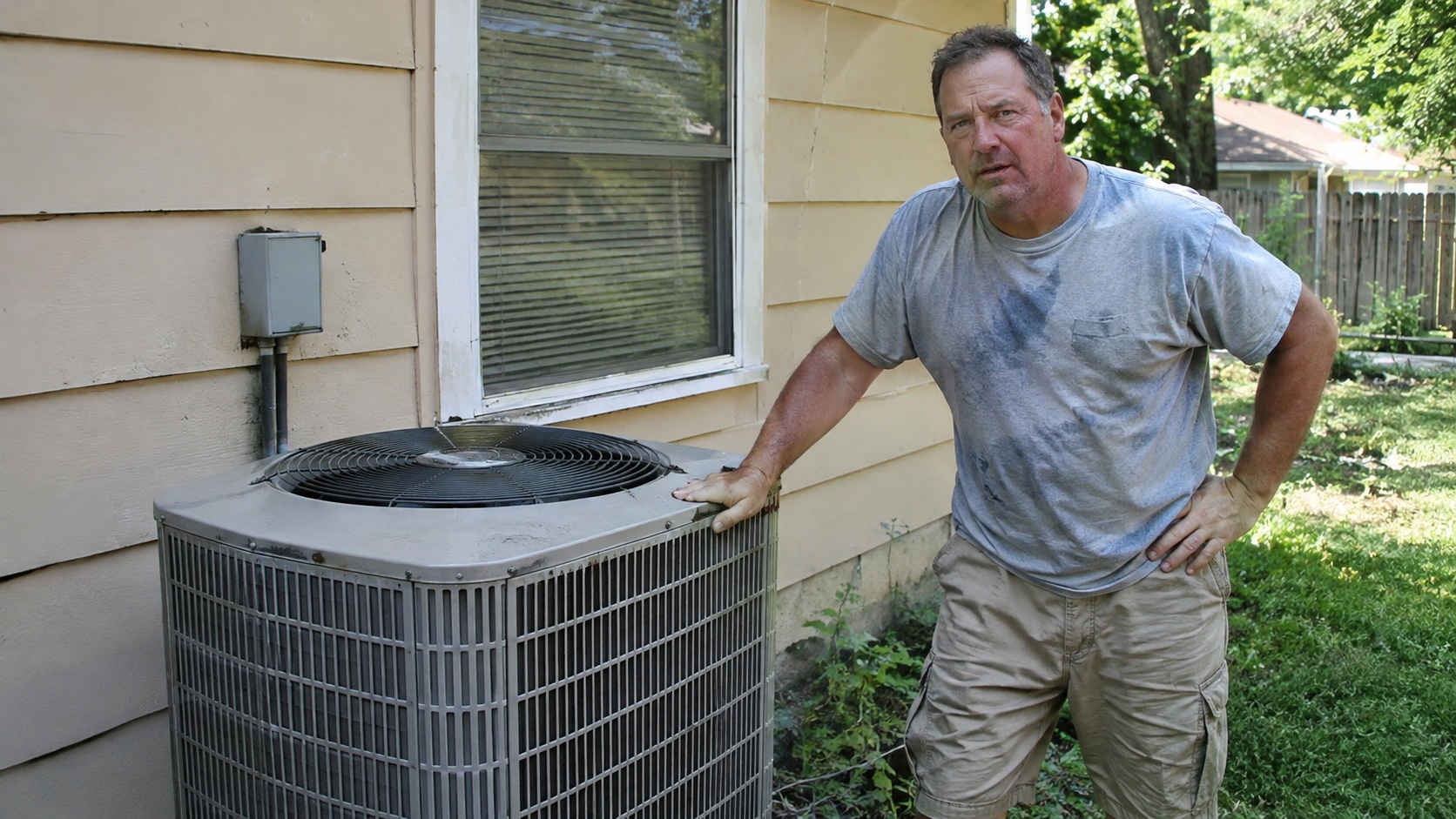
There is no single monthly price for running central air conditioning. A home in Phoenix, Atlanta, Seattle, or coastal Maine faces different weather, equipment, rates, insulation, and comfort needs. The most useful estimate starts with your own electricity price and a realistic estimate of how long the cooling system is actively drawing power.
The simple cost formula
Estimated energy cost = input power in kW × equivalent operating hours × price per kWh. For a month, use the operating hours across that month. If the system averages 3.2 kW while its compressor is on, runs for an equivalent 6 hours per day, and your selected energy price is $0.17/kWh, the estimate is 3.2 × 6 × 30 × $0.17 = $97.92 in energy charges. These values are illustrative. They are not a typical system rating or a quote for your utility account.
“Equivalent operating hours” means time at the assumed input draw. A thermostat set to 74°F does not mean the compressor ran for every hour the house was occupied. Central AC cycles according to indoor temperature, outdoor conditions, airflow, equipment capacity, and other factors. A variable-speed system may draw different power at different points in the cycle, so one fixed wattage is only an approximation.
Where to find a better power input
Check the equipment nameplate, manufacturer documentation, or installation paperwork for electrical input in watts or kilowatts. Cooling capacity, often listed in BTU per hour or tons, is not the same as electrical input. Do not treat a cooling-capacity number as though it were energy use. Seasonal efficiency ratings also describe performance under standardized test conditions; they do not directly reveal the exact power draw in every hour at your home.
If your utility offers interval data, compare whole-home kWh during periods when central AC is likely to be the main changing load. That can help you estimate the system’s contribution, but household baseload, water heating, cooking, EV charging, and other equipment remain in the same meter reading. A qualified HVAC technician can measure system performance and electrical draw safely.
Use the right electricity price
Use the per-kWh price relevant to the hours the system runs. If your rate varies by time of use, a single average rate may conceal expensive peak periods. Some bills show a supply price separately from delivery charges; other bills bundle or label components differently. To estimate the full bill impact, include variable delivery charges and other usage-based adjustments when the rate schedule lists them. Fixed monthly charges, taxes, credits, and minimum bills need separate treatment.
If you want to isolate the added energy cost of cooling, multiply cooling kWh by the variable rate components that apply. If you want to approximate the total monthly bill, begin with the household’s expected total kWh and include every fixed and variable bill item. Do not count a fixed charge as though each extra kWh created it.
Example scenarios, not predictions
Suppose a system averages 2.5 kW while active. At 4 equivalent hours a day for 30 days and $0.15/kWh, the simplified energy estimate is $45. At 8 hours a day, it is $90. Doubling run time doubles this simple estimate because all other inputs are held constant. Your real bill may differ because system power changes, weather varies, rates include more than the energy price, and the home has other loads.
A more useful personal estimate may come from comparing a mild month and a hot month with similar billing-day counts. Subtract the kWh in the mild period from those in the hot period, then treat the difference as a rough upper-level estimate of seasonal loads—not a precise AC measurement. Fans, dehumidifiers, pool equipment, guests, and time at home can also change at the same time.
Why two similar homes can have different costs
Important factors include climate, house size and shape, sun exposure, insulation, air sealing, windows, duct condition, thermostat setting, equipment efficiency, maintenance, and the local rate. A shaded, well-sealed home may need less cooling than a larger home with leaky ducts, even if both have the same thermostat setting. A home that uses electric resistance heat in winter can have a different annual pattern from one with gas heat.
National energy-use data can provide context but cannot predict an individual system’s bill. EIA reports that residential cooling use is substantial and varies across regions and household types. Its published data are historical survey or aggregate figures; they are not live consumption for your address.
Ways to refine the estimate
- Record the bill’s billing days and kWh for at least two periods.
- Use your account’s interval chart to note cooling-hour patterns where available.
- Find the system’s electrical input, not only its cooling capacity.
- Use the rate schedule that applies to your account and time period.
- Separate energy charges from fixed fees, taxes, and credits.
For a rough estimate from an appliance’s watts and hours, try BillMellow’s appliance cost tool. The result is a scenario, not a utility bill prediction. For a broader statement review, compare two electric bills and check cost per day alongside the total.
Sources and limits
The EIA explains residential electricity use and provides state and household context through its RECS survey. The Department of Energy’s air-conditioning guidance covers maintenance and operation. Check your equipment manual and utility rate schedule for values specific to your home.
This guide is for general education. Your utility’s rates, state rules, lease, or service agreement may differ. Verify account-specific details with the responsible provider.
Compare two electric bills · All electricity guides · Methods and limits · Privacy