RENTER UTILITY GUIDE
Apartment Submetering: How Utility Bills Are Calculated
BillMellow Editorial · Updated November 6, 2026
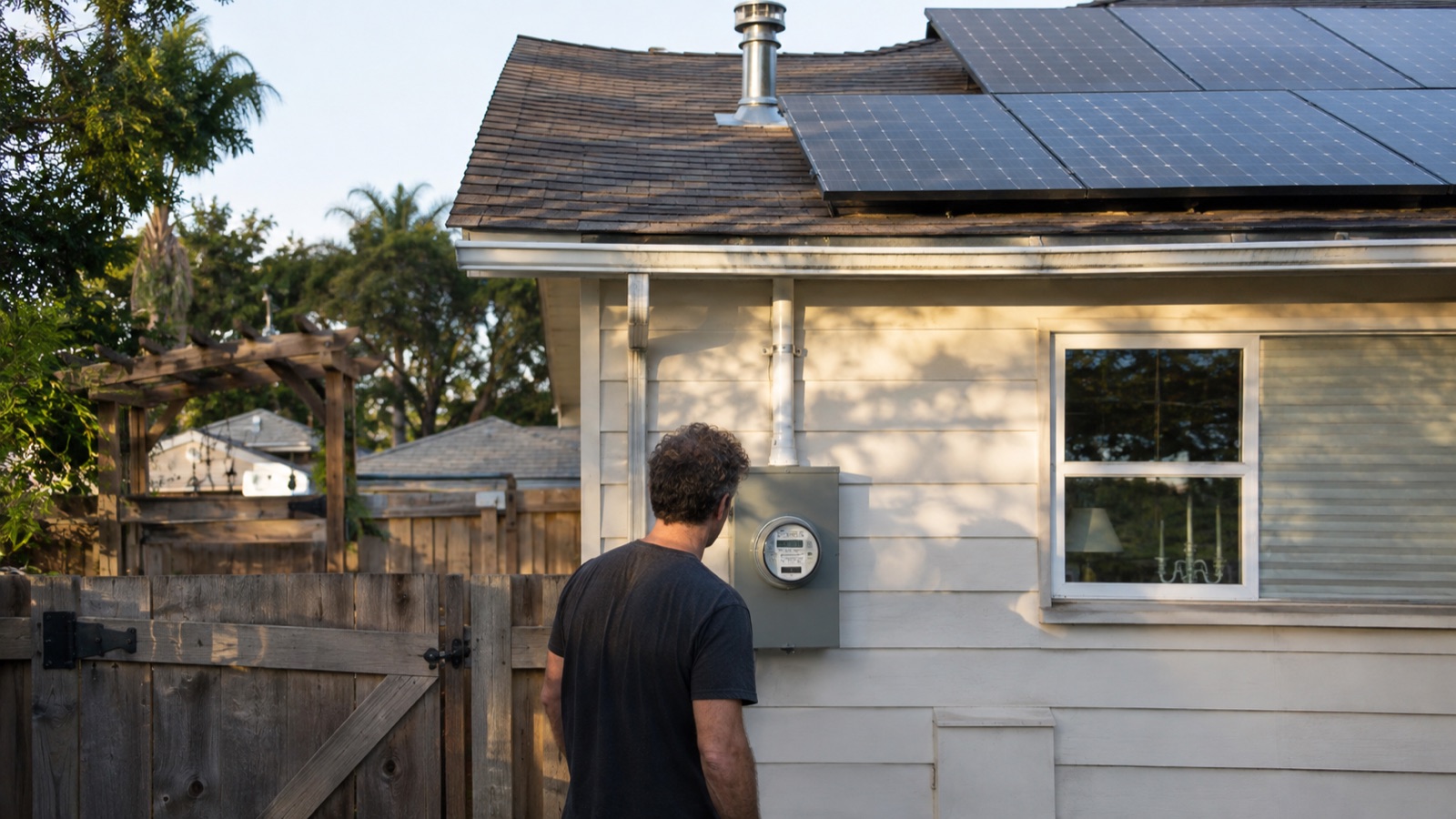
Some apartment residents receive an electric bill from their utility. Others receive a utility charge through a landlord or billing company. In some buildings, each unit has a submeter. In others, a master meter serves multiple spaces and the building allocates the cost under a formula. The words on a bill can sound similar while describing different arrangements.
What “submetered” can mean
A submeter is a meter behind the utility’s main meter that measures some portion of electricity use, often for an individual unit. A master meter records electricity for a larger property, and the owner or manager may allocate charges among tenants. The details vary: one arrangement may bill measured unit use, while another may assign a share of a common bill. Do not assume your bill uses a submeter merely because it lists kWh.
Read the statement for a meter number, start and end readings, kWh, rate, billing days, and any adjustment or administrative fee. Compare those details with the lease, move-in documents, and written utility disclosure. If the statement offers only one total, ask the property manager what data and formula produced it.
Questions to ask about your statement
- Does this charge represent electricity measured only for my unit?
- What meter ID or allocation formula was used, and which dates does it cover?
- Is the rate based on the utility’s actual rate schedule, and are taxes or delivery charges included?
- Are hallways, laundry rooms, elevators, or other common areas included?
- Is there a service or billing fee, and where was it disclosed?
- Can I review the meter readings or the underlying master bill?
- How do I submit a dispute and what deadline applies?
Ask calmly and in writing, keep the response, and retain copies of the lease and statements. If the billing company or landlord cannot explain a number, that is a reason to seek clarification; it is not by itself proof of an error.
Why rules are local
There is no single nationwide formula that governs every apartment utility bill. State statutes, public utility commission rules, local ordinances, building type, and lease terms may determine whether submetering is allowed and how charges must be disclosed. Some jurisdictions regulate submeter operators or limit fees. Others may treat landlord-provided utility charges differently from a direct utility account. Use your state or city’s official regulator and tenant information, not a generic online checklist, to confirm your rights.
Ask the utility regulator whether it oversees the property’s billing arrangement or whether the question belongs with a housing or consumer agency. The utility company may not have account-level records if the apartment complex, rather than you, is its customer. A state consumer advocate or legal aid service can help identify the right office.
How to compare the kWh number
If your bill lists a unit-level meter read, note the previous and current values, read dates, and multiplier if shown. The difference in readings may be converted to kWh by the meter’s multiplier. A tenant should not open the meter cabinet or modify equipment to check this. Ask the provider or property manager to explain the meter model and calculation if you cannot reconcile the statement.
Compare kWh per day across billing periods, not only monthly totals. The weather, number of people at home, electric heating, air conditioning, hot water, laundry, and billing length can affect use. A neighboring unit may not be a useful benchmark if it has different exposure, equipment, occupancy, or a different billing method.
Separate consumption from non-energy charges
A tenant statement may combine electricity cost, delivery-related charges, fixed account charges, taxes, a billing fee, or a share of common-area costs. These items may follow different rules. Ask for a breakdown rather than assuming that every dollar is calculated from your unit’s kWh. For definitions of common utility-bill line items, see how to read an electric bill and supply and delivery charges.
Protect your account and personal information
When asking for help online, remove your name, service address, account number, meter serial number, barcode, and payment details from screenshots. Share the line-item labels and rounded amounts only if needed. Contact a provider through a number or portal you independently verify, not a link in an unexpected payment message.
BillMellow can compare amounts and usage values that you enter, but it cannot inspect your apartment’s meter, determine the landlord’s formula, or decide whether a fee is lawful. It does not receive your utility login. Use the tool as an organizer for questions you will verify with the billing party.
A short documentation checklist
Keep the lease page about utilities, move-in condition records, each monthly statement, any meter reading or allocation explanation, your written questions, and the replies. Record the date you contacted the property manager or regulator. These records make it easier to compare statements and explain the issue without sending sensitive information to strangers.
Sources and limits
The FTC notes that rental arrangements can include utility-related fees in its renter consumer alert. Federal consumer information does not replace your state or municipal rules. Confirm the billing method and dispute route for your property locally.
This guide is for general education. Your utility’s rates, state rules, lease, or service agreement may differ. Verify account-specific details with the responsible provider.
Compare two electric bills · All electricity guides · Methods and limits · Privacy